

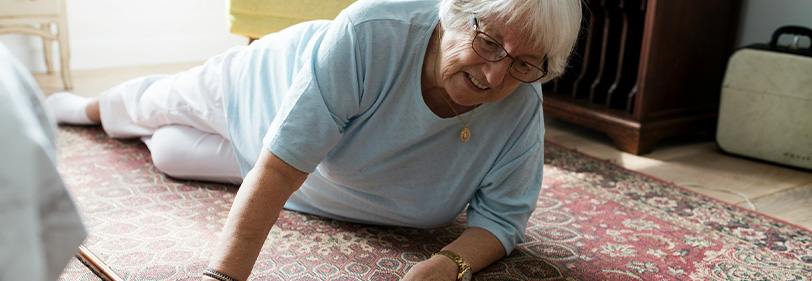

What Happens When Nursing Homes Ignore Fall Prevention Policies
Falls are one of the most common and painful dangers facing older adults in nursing homes. As winter settles into Kentucky, the risk only grows. Floors can get slick, shoes track in moisture, and some staff may cut corners when rushing through their routines.
When nursing homes fail to follow fall prevention policies, the consequences can upend lives. One misstep might lead to a hospital visit, a long recovery, or loss of confidence for the person who fell. Families might not always know what’s at risk, but a lawyer for nursing home abuse can help look closer when something feels off.
This is especially true for loved ones in Lexington, Kentucky, where winter weather, combined with staffing gaps, can create the perfect storm for fall-related injuries. We are nationally recognized in nursing home law and have litigated, settled, and tried more nursing home cases than any firm in Kentucky, so we are very familiar with how ignored fall prevention policies can lead to serious harm for residents. Let’s take a closer look at what happens when safety policies get ignored and how these oversights impact residents and their families.
What Are Fall Prevention Policies in Nursing Homes?
Nursing homes are required to keep residents safe, and part of that includes managing fall risks. That means using basic safety tools and following daily routines that protect people who might have trouble walking, getting up from bed, or knowing where they are at times.
Some of the common fall prevention steps include:
• Bed and chair alarms that alert staff when someone tries to stand alone
• Floor mats to soften a fall and offer traction
• Handrails in halls and bathrooms
• Keeping personal items within reach to reduce reaching or climbing
• Scheduled help with walking, getting to meals, or using the restroom
Beyond physical tools, customized care plans matter a lot. Every resident moves differently. Some are steady and walk with only a cane, while others need help every time they stand. Medications can also affect balance. Staff should be trained to watch how meds interact with movement or awareness.
Winter adds more risk. Shoes track in ice or mud from outside, especially in the mornings. Wet entryways, cluttered hallways, or floor changes between rooms make it easy to lose footing if someone moves without help. Homes that take fall prevention seriously plan for these problems ahead of time.
Warning Signs That Fall Prevention Is Being Ignored
It’s one thing for nursing homes to say they follow safety plans. It’s another to follow through each day. Families might not know what goes on behind closed doors, but there are signs that fall prevention is not being taken seriously.
Look out for things like:
• Bruises, cuts, broken eyeglasses, or bloodied clothes with no clear explanation
• A sudden increase in visits to the hospital or emergency room
• Incomplete or confusing notes in the resident’s medical chart about past falls
• Staff who brush off concerns or avoid answering specific questions about injuries
Pay attention to patterns. Do falls happen often during shift changes? In the middle of the night? Do they tend to happen in one particular area like a hallway or near bathrooms? These repeat events may hint that a safety gap is being overlooked or ignored outright.
When family members start seeing these signs, it might be time to speak with a lawyer for nursing home abuse to better understand what’s going on. Information can be hard to get without help.
How Neglecting Fall Prevention Affects Residents
A single fall can set off a chain of problems. Residents who break a hip or hit their head might not bounce back quickly. For some, healing fully may not be possible. What was once a daily walk to the dining room might need a wheelchair now. That creates changes in routine, freedom, and independence. Our experience includes a Kentucky case involving a personal care home resident with Alzheimer’s dementia who suffered multiple falls in just two weeks, with the first fall causing a subdural hematoma that was not seen on initial hospital scans, which shows how quickly repeated falls can escalate.
The emotional impact is just as serious. After a fall, a resident might stop walking alone, even when safe. They can become afraid of moving, worry about using the bathroom, or isolate themselves from others. That fear grows over time and feeds into physical decline.
Some residents fall more than once. Each incident chips away at well-being. If a nursing home doesn’t fix what went wrong the first time, the same mistake can happen again. Skipped safety checks and communication breakdowns can be symptoms of deeper problems inside the facility, like poor training, low staffing, or lack of accountability.
What Families Can Do If They Suspect Neglect
It’s hard to trust that someone is safe when you spot bruises, broken items, or changes in how they act. Families who believe their loved one’s fall could have been avoided can take some steps to raise the issue.
Start by writing things down. That includes:
• Dates and times of injuries, including where they happened
• Who was working that day and what they said
• Any photos of the room, floor, or items involved
Ask care staff about the resident’s fall risk assessment. When was it last updated? Have there been changes in medication or physical ability? Ask what specific steps are in place for keeping that person safe. If the facility is in or near Lexington, Kentucky, families can request a free, confidential consultation with us to review what happened and whether neglect may have contributed to the fall.
Sometimes, staff may not share everything right away, or there may be confusion about what really happened. If you’re not getting answers or stories don’t add up, it may help to speak with a lawyer for nursing home abuse to better understand what options you may have. No one should be left guessing when a loved one is hurt in someone else’s care.
The Cost of Ignoring the Basics
Fall prevention doesn’t have to be complicated. It starts with staff who are trained, equipment that works, and daily attention to the basics. When even these simple steps are skipped, people suffer.
Broken bones and hospital stays are bad enough, but the deeper wounds are harder to measure. Families lose trust. Residents lose confidence. And in some cases, the harm caused by a preventable fall changes everything. The effects can last far beyond the day of the event.
Staying alert and asking questions can help shine a light on problems before more damage is done. Nursing homes have responsibilities. It’s up to all of us to make sure those responsibilities are met during winter and throughout the rest of the year.
Seeing warning signs that a loved one isn’t receiving proper protection is cause for concern and can leave families feeling powerless when nursing home policies are not followed. At Circeo Law Firm, we take safety and care seriously and believe that potential preventable injuries deserve thorough investigation. If you suspect that your loved one’s harm could have been avoided, speak with a lawyer for nursing home abuse who knows what to look for and let us help you determine the best steps to take next.